Asus Vivobook 15 vs Asus ZenBook 14: Detailed Comparison for India 2026
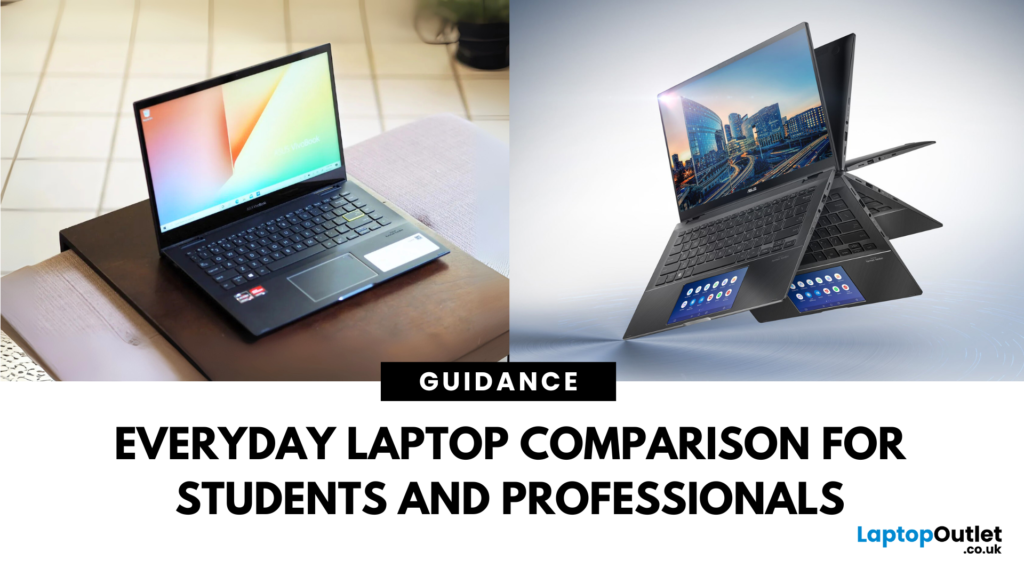
In the competitive landscape of laptops, Asus has carved out a niche for both its Vivobook and ZenBook series. In this comparison, we delve into the Asus Vivobook 15 and Asus ZenBook 14, two distinct models catering to different user needs and budgets. If you’re looking for a versatile laptop for everyday use or a premium device for professional tasks, this guide will help you make an informed choice.
Verdict
The Asus ZenBook 14 stands out as a premium choice with its high-end features and sleek design, making it suitable for professionals and creative users. On the other hand, the Asus Vivobook 15 is an excellent mid-range option for students and casual users looking for good performance at a more accessible price point.
Specifications Comparison
| Feature | Asus Vivobook 15 | Asus ZenBook 14 |
|---|---|---|
| Processor | Intel Core i5/i7 or AMD Ryzen 5/7 | Intel Core i5/i7 or AMD Ryzen 5/7 |
| RAM | 8GB/16GB | 16GB/32GB |
| Storage | 512GB SSD | 1TB SSD |
| Display | 15.6-inch FHD | 14-inch FHD OLED |
| Graphics | Integrated Intel or AMD | Integrated Intel or optional NVIDIA |
| Weight | 1.8 kg | 1.2 kg |
| Battery Life | Up to 6 hours | Up to 12 hours |
| Price | Starting from ₹45,990 | Starting from ₹99,990 |
Design and Build Quality
The Asus ZenBook 14 boasts a premium aluminum chassis, giving it a sleek and professional look that is perfect for business settings. It is lightweight and ultra-portable, making it easy to carry around. In contrast, the Asus Vivobook 15 has a more utilitarian design with a plastic body, making it heavier and less sleek but still quite robust for everyday use.
Display
The ZenBook 14 features a stunning 14-inch FHD OLED display that offers vibrant colors and deep blacks, enhancing media consumption and creative tasks. The Vivobook 15, while it has a decent 15.6-inch FHD display, lacks the same level of color accuracy and brightness.
Performance
Both laptops are equipped with similar processor options, but the ZenBook 14 offers more RAM and storage options, allowing for better multitasking and faster performance during demanding tasks. The Vivobook 15 is capable of handling everyday tasks and light gaming but may struggle with more intensive applications.
Battery Life
The ZenBook 14 excels with a battery life of up to 12 hours, making it ideal for users who need to work on the go without worrying about charging frequently. The Vivobook 15, on the other hand, offers a more modest battery life of up to 6 hours, suitable for short use periods.
Pricing in India
As of 2026, the Asus Vivobook 15 starts from ₹45,990, making it a budget-friendly option for students and casual users. The Asus ZenBook 14, priced from ₹99,990, targets professionals and users who demand high performance and premium features.
Who Should Buy Which?
If you’re a student or someone who requires a laptop for basic tasks such as browsing, word processing, or light gaming, the Asus Vivobook 15 is a great choice. It balances performance and price effectively. However, if you’re a professional or creative user who needs a more powerful machine for multitasking, media editing, or design work, the Asus ZenBook 14 is worth the investment for its superior performance and display quality.
Conclusion
Both the Asus Vivobook 15 and ZenBook 14 cater to different segments of users. Choosing between them depends on your specific needs and budget. The Vivobook 15 is a solid mid-range option, while the ZenBook 14 is a premium device that justifies its higher price tag with advanced features and build quality.
Frequently Asked Questions
What are the main differences between Asus Vivobook 15 and ZenBook 14?
The main differences lie in design, display quality, performance, and battery life. The ZenBook 14 is more premium, features an OLED display, and offers longer battery life compared to the Vivobook 15.
Is the Asus Vivobook 15 good for gaming?
The Vivobook 15 can handle light gaming well, but for more demanding games, its performance may not be sufficient. It’s better suited for casual gaming or everyday use.
Which laptop is more portable?
The Asus ZenBook 14 is more portable due to its lightweight design and compact size, making it easier to carry around for travel or commuting.
Are there any alternatives to these models?
Yes, there are several alternatives in both the mid-range and premium categories, such as laptops from Dell, HP, and Lenovo that offer competitive features and pricing.
Also Read