Air Cooler vs AC: Which is Better for India’s Summer in 2026?
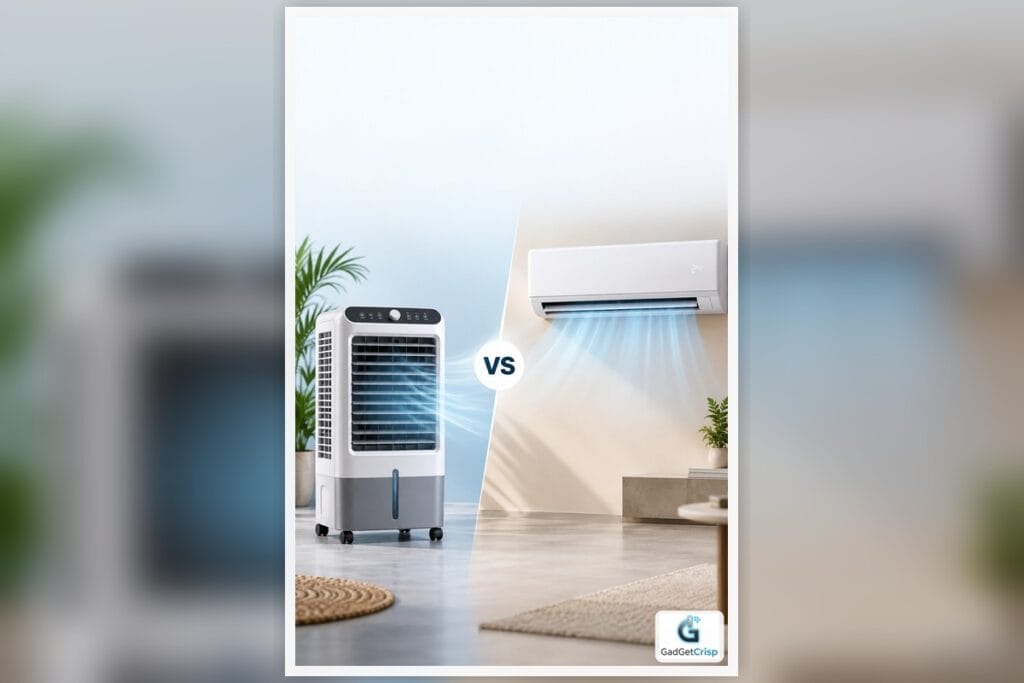
As the mercury climbs in India, staying cool becomes a priority. The choice between an air cooler and an air conditioner (AC) is a long-standing debate. Both offer relief from the scorching summer heat, but they differ significantly in terms of cost, efficiency, and suitability for various environments. This comparison dives deep into the pros and cons of each, helping you decide which is the better choice for your home in 2026.
Verdict: For most Indian households, particularly in areas with dry heat, an air cooler offers a compelling balance of cooling performance, energy efficiency, and cost. However, if you live in a humid region or prioritize powerful, consistent cooling, an AC might be the better option, despite the higher price and running costs.
Air Cooler vs. AC: Quick Specs Comparison
Price history tracking started today. Check back tomorrow for chart data.
| Feature | Air Cooler | Air Conditioner |
|---|---|---|
| Initial Cost | Significantly Lower | Higher |
| Running Cost (Electricity) | Much Lower | Higher |
| Cooling Mechanism | Evaporative Cooling | Refrigeration |
| Best for | Dry Climates, Well-Ventilated Spaces | Humid Climates, Sealed Rooms |
| Humidity Impact | Adds Moisture (may not be ideal in humid climates) | Reduces Moisture (dehumidifies) |
| Maintenance | Regular water refilling and cleaning required | Periodic filter cleaning and professional servicing |
| Portability | Generally more portable | Less portable (window units excluded) |
| Noise Level | Can be noisy, depending on the model | Can be noisy, depending on the model |
Air Cooler vs. AC: A Detailed Comparison
Cooling Technology
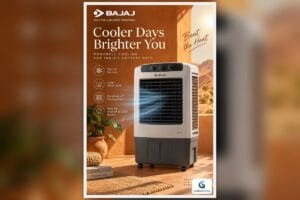
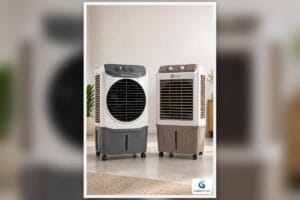
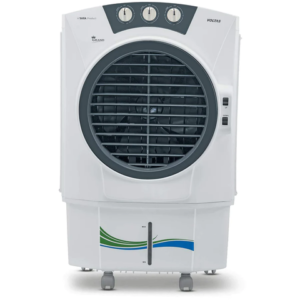
Air coolers use evaporative cooling. They draw in warm air, pass it over water-soaked pads (usually made of honeycomb or aspen), and the water evaporates, cooling the air. This cooled, moist air is then blown into the room. ACs, on the other hand, use a refrigerant to cool air through a compression cycle, removing heat from the room and expelling it outside. This process not only cools the air but also dehumidifies it.
Cost: Initial Investment and Running Expenses
Air coolers have a significantly lower purchase price compared to ACs. You can find Budget air coolers starting from a few thousand rupees. ACs, even the most basic models, will require a much larger upfront investment. The running costs also differ dramatically. Air coolers consume far less electricity, making them much more economical to operate. ACs, with their compressor-based cooling systems, draw considerably more power, leading to higher electricity bills. Check Amazon.in for current prices.
Ideal Environments and Climate Suitability
Air coolers perform best in dry climates with good ventilation. They add moisture to the air, making them less effective in humid environments where the air is already saturated with water vapor. ACs, conversely, excel in humid climates because they dehumidify the air as they cool. They also work best in sealed rooms, where the cooled air is contained and the cooling effect is maximized.
Maintenance and Upkeep
Air coolers require regular maintenance. You’ll need to refill the water tank frequently, especially in hot and dry conditions. The cooling pads also need periodic cleaning to prevent mold and mildew growth. ACs also require maintenance, but it’s typically less frequent. You’ll need to clean or replace air filters periodically, and professional servicing is recommended to ensure optimal performance and longevity. Check Amazon.in for maintenance kits.
Portability and Installation
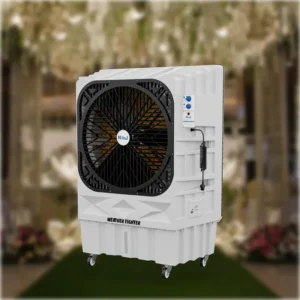
Air coolers are generally more portable. Many models come with wheels, allowing you to easily move them from room to room. ACs, particularly split ACs, require professional installation. Window ACs are simpler to install but may require a dedicated window space. Check Amazon.in for installation services.
Health Considerations
Air coolers can be beneficial for people with dry skin or respiratory issues because they add moisture to the air. However, the added humidity can exacerbate problems for those living in already humid environments. ACs, by reducing humidity, may be better suited for humid climates. However, they can also dry out the air, which may be uncomfortable for some people. Air quality can be improved with regular filter changes.
Noise Levels
Both air coolers and ACs can produce noise. Air cooler noise levels vary depending on the model, with some being quite loud. ACs also generate noise from the compressor and fan. When choosing either, consider the noise level if you’re a light sleeper or sensitive to noise.
Who Should Buy Which?
Choose an Air Cooler if:
- You live in a dry climate.
- You want a budget-friendly cooling solution.
- You need a portable cooling option.
- You are comfortable with regular water refilling and maintenance.
Choose an Air Conditioner if:
- You live in a humid climate.
- You prioritize consistent and powerful cooling.
- You have a sealed room and are willing to invest more.
- You prefer a cooling solution that dehumidifies the air.
Where to Buy:
Buy Air Conditioners on Amazon.in
Contains affiliate links to Amazon.in
Also Read
- → Daikin vs LG 1.5 Ton 5 Star Inverter AC: Which Mid-Range AC Should You Buy in India 2026?
- → Best Daikin 1.5 Ton 5 Star Split AC Price in India 2026 — Premium Picks & Buying Guide
- → Samsung 1.5 Ton 5 Star Wind-Free AC Review: Premium Cooling for Indian Homes in 2026
- → LG 1.5 Ton Dual Inverter AC Price and Review: Best Mid-Range Split AC in India 2026