
Introduction
With the rapid evolution of mobile technology, 5G smartphones have become more accessible than ever, even for budget-conscious buyers. In 2026, the Indian market features a range of compelling options under ₹17,000, catering to users looking for robust performance, impressive features, and reliable connectivity. This review highlights the best smartphones under this price bracket, focusing on their specifications, performance, and overall value for money.
Specifications Table
| Model | Processor | RAM | Storage | Camera | Battery |
|---|---|---|---|---|---|
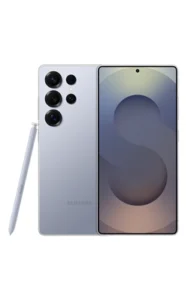
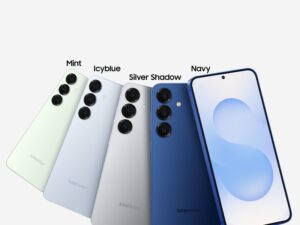
| Samsung Galaxy M17e 5G | Exynos 1280 | 6GB | 128GB | 50MP + 2MP + 2MP | 5000mAh |
| Realme P4x 5G | MediaTek Dimensity 6100+ | 6GB | 128GB | 64MP + 2MP | 5000mAh |
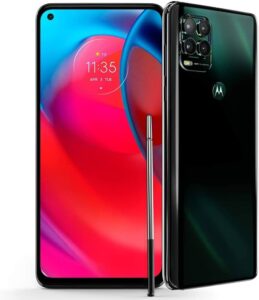
| Moto G67 Power 5G | Snapdragon 695 | 6GB | 128GB | 50MP + 2MP + 2MP | 6000mAh |
Performance
When considering performance, all three smartphones mentioned provide solid capabilities for everyday tasks and moderate gaming. The Samsung Galaxy M17e 5G is powered by the Exynos 1280 processor, which handles multitasking and light gaming efficiently. Users can expect a smooth experience while browsing, streaming, or using social media apps.
The Realme P4x 5G, with its MediaTek Dimensity 6100+, brings a good balance of performance and battery life, making it an excellent choice for users who prioritize both speed and longevity. The device is capable of handling multiple applications simultaneously without a hitch.
On the other hand, the Moto G67 Power 5G stands out with its larger 6000mAh battery, ensuring that users can go longer without needing a charge. With Snapdragon 695, it provides a fluid performance for gaming enthusiasts who enjoy playing graphics-intensive games.
Key Features
- 5G Connectivity: All three smartphones offer 5G support, ensuring future-proofing for users as networks expand across India.
- Camera Capabilities: With multiple lenses, including impressive primary sensors, users can capture high-quality images and videos.
- Battery Life: Each device comes with robust battery capacity, catering to the on-the-go lifestyle of budget users.
- Storage Options: Ample internal storage with options for expansion allows users to store apps, media, and more without worrying about space.
- Display Quality: Expect vibrant displays, whether for media consumption or gaming.
India Pricing
As of March 2026, the pricing for these smartphones is as follows:
- Samsung Galaxy M17e 5G: ₹13,499 (check Amazon.in for current price)
- Realme P4x 5G: ₹15,499 (check Amazon.in for current price)
- Moto G67 Power 5G: ₹15,810 (check Amazon.in for current price)
These prices indicate a competitive landscape, ensuring that buyers can find excellent features and performance without breaking the bank.
Pros and Cons
Pros
- Affordable price range for 5G smartphones.
- Solid performance for daily tasks and moderate gaming.
- Excellent camera setups for photography enthusiasts.
- Long-lasting battery life, especially with Moto G67 Power.
- Future-proof 5G connectivity.
Cons
- Performance may lag in high-end gaming scenarios.
- Plastic build quality may feel less premium.
- Software updates may not be as frequent as premium models.
Verdict
For Indian buyers looking for the best smartphone under ₹17,000 with 5G capabilities in 2026, the options available deliver impressive performance, solid battery life, and great camera features. Each model offers unique strengths, making it essential for buyers to consider their priorities in terms of performance, camera quality, and battery life. Ultimately, these smartphones provide excellent value for money, catering well to budget-conscious consumers.
FAQs
1. Is it worth buying a 5G smartphone under ₹17,000 in 2026?
Yes, with 5G networks expanding and prices becoming more competitive, these smartphones offer great value for future-proofing your purchase.
2. Can I expect good camera quality from these budget smartphones?
Absolutely! All options reviewed come with multiple camera sensors that capture detailed and vibrant images.
3. How is the gaming performance on these devices?
While they can handle casual gaming well, high-end gaming might be limited due to their mid-range processors.
Also Read