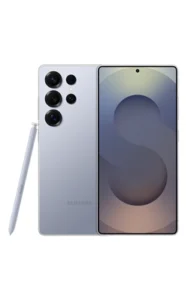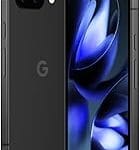


Google Pixel 9 Review 2026 — India’s Smartest Upper Mid-Range Phone?
The Google Pixel 9 launched in 2024 at ₹79,999, placing it firmly in premium territory. Fast-forward to April 2026, and the story has changed dramatically. With its current Amazon.in price sitting at ₹41,899, the Pixel 9 now lands squarely in the upper mid-range segment — and that single price shift transforms the entire value equation. You’re getting Google’s Tensor G4 chip, 12 GB RAM, an exceptional computational camera system, and seven years of guaranteed OS updates, all for a price that was unthinkable at launch. For Indian buyers who’ve been watching the Pixel series from a distance, 2026 might finally be the year to pull the trigger. But is it truly worth ₹41,899, or are there better options at this price point? We spent extended time with the device to give you a definitive answer.
Contains affiliate links to Amazon.in
Google Pixel 9 — Full Specifications
| Specification | Details |
|---|---|
| Display | 6.3-inch OLED, 2424 × 1080 pixels, 120Hz LTPO, 2700 nits peak brightness, Corning Gorilla Glass Victus 2 |
| Processor | Google Tensor G4 (4nm), Titan M2 security coprocessor |
| RAM / Storage | 12 GB LPDDR5X RAM / 256 GB UFS 3.1 storage (no microSD) |
| Rear Camera | 50 MP main (f/1.68, OIS) + 48 MP ultrawide (f/1.7, autofocus), 4K@60fps video |
| Front Camera | 10.5 MP, f/2.2, 4K video recording |
| Battery | 4700 mAh, 27W wired charging, 15W wireless charging, reverse wireless charging |
| OS (at launch) | Android 14 at launch; currently running Android 16 via OTA (5 more major OS updates guaranteed) |
| Connectivity | 5G, Wi-Fi 7, Bluetooth 5.3, NFC, USB Type-C 3.2 Gen 2 |
| Build / IP Rating | Polished aluminium frame, matte back, IP68 dust and water resistance |
| Dimensions / Weight | 152.1 × 71.9 × 8.5 mm, 198 g |
| Colours Available | Obsidian, Porcelain, Wintergreen, Peony |
| India Price | ₹41,899 (Amazon.in, as of April 2026) |
Design and Build Quality
The Pixel 9 wears a design that Google clearly spent serious time on. The polished aluminium rail running around the edges gives it a premium in-hand feel that many phones in this price bracket simply cannot match in 2026. The matte back resists fingerprints well, and the camera bar — that horizontal visor on the rear — has become a signature Google identity element that looks clean rather than gimmicky. At 198 grams, it’s not feather-light, but the weight distribution feels intentional and comfortable during long usage sessions.
The IP68 rating is a standout feature at this price point. Most competitors around ₹41,899 offer IP54 or IP67 at best. Being able to use the Pixel 9 in Indian monsoon conditions without a second thought is genuinely reassuring. The Gorilla Glass Victus 2 on the front holds up well to everyday scratches, though we’d still recommend a screen protector given how costly screen repairs can be.
Display — Bright, Sharp, and Smooth
The 6.3-inch OLED panel is one of the Pixel 9’s strongest assets. With a 2700 nits peak brightness, outdoor visibility in harsh Indian sunlight — whether you’re in Rajasthan in May or Chennai in the afternoon — is genuinely excellent. The 120Hz LTPO refresh rate keeps scrolling silky without murdering battery life, since it intelligently drops to lower refresh rates when displaying static content.
Colour accuracy is where Pixel displays have always shone, and the Pixel 9 continues that tradition. Whites look clean, blacks are true OLED blacks, and Google’s colour science means photos and videos look true-to-life rather than oversaturated. For streaming content on Hotstar, Netflix, or YouTube, this display is an absolute treat. The only minor gripe is the resolution — Full HD+ in 2026 feels slightly conservative compared to some rivals offering QHD panels, though most users won’t notice the difference in daily use.
Performance — Tensor G4 in 2026
The Google Tensor G4 chip was designed with a specific philosophy: optimise for AI tasks and everyday efficiency rather than chasing raw benchmark numbers. In 2026, this approach holds up surprisingly well for the vast majority of use cases. Social media, web browsing, multitasking between a dozen apps, video calls on Teams or WhatsApp — all of it is handled without a hiccup. The 12 GB of LPDDR5X RAM means apps stay in memory for longer, reducing reload times noticeably.
Where the Tensor G4 shows its age is in sustained heavy gaming. Titles like BGMI India on high graphics settings can push the phone into thermal throttling territory after extended sessions, causing frame drops. This was a known issue when the device launched in 2024, and it remains relevant in 2026. For casual gaming — Clash of Clans, Candy Crush, even lighter titles — performance is fine. But if you’re a hardcore mobile gamer, you might want to look at phones with Snapdragon 8 Gen 3 or newer chips in this price range. For everyone else, the Pixel 9 delivers a genuinely smooth experience day to day.
Camera — Still One of the Best at This Price
This is where the Pixel 9 earns its reputation. Google’s computational photography magic, powered by the Tensor G4’s dedicated image signal processor, continues to produce photographs that beat similarly priced hardware rivals. The 50 MP main sensor captures stunning detail in daylight, with natural colour rendering that iPhone users will find familiar and Android users will find revelatory compared to Samsung’s punchy processing.
Low-light photography is where the Pixel 9 truly distances itself. Night Sight mode can salvage scenes that would be a smeared mess on most phones in this segment. The 48 MP ultrawide camera with autofocus is an underrated feature — being able to focus up close with the ultrawide opens up creative macro-style shots that are simply not possible on fixed-focus ultrawide lenses.
Video recording up to 4K@60fps on both rear and front cameras is impressive for Indian content creators. The video stabilisation is class-leading for this price point in 2026. Google’s AI-powered features like Best Take (picks the best expressions from a burst), Photo Unblur, and Magic Eraser continue to be genuinely useful in real life — not just demo features that impress once and are forgotten.
AI Features — Google’s Real Differentiator
The Pixel 9 was one of the first devices to mainstream on-device AI, and in 2026 those features have only matured. Gemini Nano running on-device means features like Call Screen (which screens spam and telemarketing calls automatically — a godsend for Indian users bombarded with calls), Live Translate, and Recorder with auto-transcription work without needing an internet connection. For Indian users dealing with multilingual contexts, the Live Translate feature supporting major Indian languages is increasingly useful.
Google Assistant’s contextual awareness on the Pixel 9 is tighter than what you’d experience on non-Pixel Android phones. Responses feel quicker, and the integration with Google apps is seamless. After the Android 16 OTA update, the AI features have become even more polished.
Battery Life and Charging
The 4700 mAh battery delivers a reliable full day for moderate users — think 5-6 hours of screen-on time covering social media, maps, calls, and some YouTube. Heavy users pushing 7+ hours of screen-on time may find themselves reaching for the charger by late evening. In Indian conditions with heavy 5G usage, the battery performs reasonably but isn’t class-leading.
The charging situation is one area where the Pixel 9 feels dated in 2026. 27W wired charging is genuinely slow compared to rivals offering 45W, 67W, or even 100W+ fast charging in the same price bracket. Charging from near-empty to full takes close to 100 minutes. Wireless charging at 15W is a nice addition, and reverse wireless charging for accessories like earbuds is handy. But in a market where sub-₹30,000 phones now charge at 65W+, the Pixel 9’s charging speed is a real compromise you need to accept.
Software — Seven Years of Updates, Running Android 16
This is the Pixel 9’s killer long-term argument. Google guarantees seven years of OS updates and security patches — a commitment unmatched in the Android world. As of April 2026, the Pixel 9 is already running Android 16 via OTA update, with five more major OS versions still to come. If you buy a Pixel 9 today, you’re buying a phone that will receive official updates well into the early 2030s. For Indian buyers who hold onto phones for 3-5 years, this is an enormous practical advantage.
The software experience is clean, bloatware-free stock Android. No duplicate apps, no annoying manufacturer skins, no pre-installed games you’ll never play. The Pixel UI is fast, intuitive, and consistent — and you get every new Android feature on day one, before any other Android manufacturer.
Pros and Cons
✅ What We Love
- Exceptional camera system: Computational photography still leads the upper mid-range segment in 2026, especially in low light.
- Seven years of OS and security updates: Unmatched long-term software support — a future-proof purchase.
- Clean stock Android 16 experience: Zero bloatware, fastest updates, smooth and intuitive daily driver.
- IP68 water resistance: Rare at ₹41,899 — genuine peace of mind during monsoon season.
- Best-in-class AI features: Call Screen, Live Translate, on-device Gemini Nano — genuinely useful, not gimmicks.
- Bright, accurate OLED display: 2700 nits peak brightness makes this excellent for outdoor use across Indian climates.
- Premium build quality: Aluminium frame and Gorilla Glass Victus 2 feel far above the price point.
❌ What Could Be Better
- Slow 27W charging: Charging speeds are outdated in 2026 — rivals at this price charge significantly faster.
- Thermal throttling under gaming load: Sustained heavy gaming causes performance dips; the Tensor G4 was never a gaming chip.
- No microSD card slot: 256 GB is generous but fixed — power users who shoot 4K video will feel the pinch over time.
Verdict — Should Indian Buyers Purchase the Google Pixel 9 in 2026?
At its original 2024 launch price of ₹79,999, the Pixel 9 was a tough recommendation against stiff competition. At ₹41,899 in 2026, the calculus is entirely different. You’re getting a premium-grade camera, a gorgeous OLED display with IP68 protection, clean software, and seven years of guaranteed updates — all wrapped in a build quality that feels genuinely luxurious. The compromises (slow charging, no gaming pedigree, no microSD) are real but manageable for the target buyer: someone who wants a reliable, smart, camera-first daily driver that will stay relevant and secure for years.
For Indian buyers who prioritise camera quality, software longevity, and a clutter-free Android experience over raw gaming performance, the Pixel 9 at ₹41,899 is arguably the best upper mid-range deal available right now. It’s not perfect, but at this price in 2026, it’s remarkably close to being the complete package.
Frequently Asked Questions
Is the Google Pixel 9 worth buying in India in 2026?
Yes — at ₹41,899, the Pixel 9 offers exceptional value in the upper mid-range segment. You get a class-leading camera, IP68 rating, clean Android 16 software, and seven years of OS updates, which is hard to match at this price point in 2026.
What is the current price of Google Pixel 9 in India?
The Google Pixel 9 is currently available at ₹41,899 on Amazon.in as of April 2026. This is significantly lower than its 2024 launch price of ₹79,999. Check the latest price on Amazon.in for any further discounts or offers.
Does the Google Pixel 9 support 5G in India?
Yes, the Google Pixel 9 is a 5G-enabled smartphone and supports the 5G bands used by Indian carriers including Jio, Airtel, and Vi. It also supports Wi-Fi 7 and Bluetooth 5.3 for fast wireless connectivity.
How long will the Google Pixel 9 receive software updates?
Google has committed to seven years of OS and security updates for the Pixel 9. It launched with Android 14 in 2024, is currently running Android 16 as of April 2026, and will continue receiving major Android updates and monthly security patches well into the early 2030s.
Is the Google Pixel 9 good for gaming?
The Pixel 9 handles casual and mid-tier games well, but it is not optimised for sustained heavy gaming. The Tensor G4 chip can experience thermal throttling during long sessions of graphics-intensive titles like BGMI India on high settings. If gaming is your primary use case, consider a phone with a Snapdragon processor in this price range.
Also Read
- → Best Voltas 1.5 Ton Inverter AC Price in India 2026 — Budget to Premium Buying Guide
- → Best Daikin 1.5 Ton 5 Star Split AC Price in India 2026 — Premium Picks & Buying Guide
- → Best ACs Under ₹35,000 in India 2026 — Top Mid-Range Inverter Split ACs Reviewed
- → Haier 1.5 Ton 5 Star Inverter AC Review: Mid-Range Cooling Powerhouse for India 2026